Soomaaliya
THE END OF MUSEVENI’S MOST POWERFUL FOREIGN POLICY CARD: WHAT UGANDA’S WITHDRAWAL FROM SOMALIA COULD MEAN
11/2/2026, 2:06:33 GD
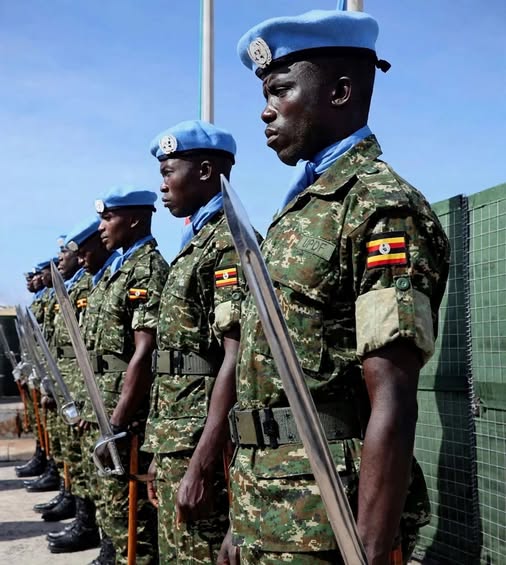
For nearly two decades, Uganda’s military presence in Somalia has been one of the most important pillars of Museveni’s foreign policy. Uganda positioned itself at the forefront of the fight against Al-Shabaab, providing troops and military support in a conflict where many Western countries were reluctant to deploy their own ground forces on a comparable scale.
Uganda’s potential military withdrawal from Somalia is not simply a routine troop rotation or a change in military deployment. It is a development with significant geopolitical implications that could reshape President Yoweri Museveni’s influence in the Horn of Africa and his relationship with Western powers.
WHAT DOES IT ACTUALLY MEAN?
For nearly two decades, Uganda’s military presence in Somalia has been one of the most important pillars of Museveni’s foreign policy. Uganda positioned itself at the forefront of the fight against Al-Shabaab, providing troops and military support in a conflict where many Western countries were reluctant to deploy their own ground forces on a comparable scale.
That military contribution strengthened Kampala’s diplomatic standing and reinforced its relationship with Washington, London, Brussels and the United Nations. Museveni presented himself as an indispensable regional security partner and a guarantor of stability in the Horn of Africa.
If Uganda’s reported withdrawal plans are officially confirmed, particularly the proposed conclusion of its military involvement in AUSSOM by the end of 2027, the decision could raise serious questions about Uganda’s future role in regional security.
There are two possible explanations for such a move.
First, Uganda may have concluded that the financial and political support it previously received from international partners is declining, prompting Kampala to reconsider the strategic value of its military presence in Somalia.
Second, the financial and military costs of maintaining troops abroad may have become increasingly difficult to sustain, particularly as the Ugandan government faces domestic economic and security priorities.
HOW COULD THIS AFFECT MUSEVENI’S INTERNATIONAL INFLUENCE?
1. Declining Strategic Relevance
Since the September 11 attacks, Museveni has positioned Uganda as a key Western security partner in the fight against extremist groups and regional instability.
Somalia has been central to that strategy. Uganda's military involvement provided tangible evidence of its military capabilities and regional influence.
If that role comes to an end, Uganda could lose some of its strategic importance in Western foreign policy calculations, particularly in Washington and European capitals.
The question is what alternative strategic value Kampala can offer its international partners.
2. The Economic Consequences of the Somalia Mission
The Somalia mission has also represented a significant financial undertaking for Uganda, involving troop allowances, logistical arrangements, military support and international reimbursements associated with peacekeeping operations.
Reducing or ending Uganda's military presence could affect financial arrangements that have supported sections of the UPDF and its logistical infrastructure.
This could create additional pressure on Uganda's military establishment, particularly at a time when the country is dealing with economic challenges and growing public debt.
3. Potential Diplomatic Pressure
For years, Uganda's contribution to regional security has been an important component of its relationship with Western governments.
A reduced role in Somalia could potentially change how some Western capitals approach Kampala, particularly regarding domestic political developments, human rights, democratic governance and political freedoms.
However, it would be premature to conclude that Uganda's withdrawal would automatically result in diplomatic isolation, sanctions or restrictions. Such developments would depend on broader political decisions and international relations.
4. A Possible Decline in Regional Military Influence
Museveni has long presented himself as a regional leader capable of projecting Ugandan military influence beyond its borders, including in Somalia, South Sudan and the Central African Republic.
A reduction in Uganda's military involvement in Somalia could encourage neighbouring countries to reassess Kampala's regional influence and military ambitions.
It could also indicate that Uganda is becoming more cautious about the financial and political costs of prolonged foreign military deployments.
THE BROADER GLOBAL MESSAGE
If confirmed, Uganda's decision could reflect a wider transformation in African security arrangements, as several governments reconsider their foreign military commitments, relationships with Western powers and the financial costs of regional interventions.
For nearly two decades, Uganda built considerable military and diplomatic credibility through its involvement in Somalia. Museveni used that contribution to strengthen his country's position in regional security discussions and international diplomacy.
However, the potential end of Uganda's military involvement raises a fundamental question:
Who will fill Uganda's strategic position in Somalia, and what will this mean for Kampala's relationship with its international partners?
Uganda's withdrawal would not simply affect the future of AUSSOM. It could also mark the beginning of a significant reassessment of Uganda's role in the Horn of Africa.
The troops may eventually leave Somalia, but the diplomatic and strategic influence Museveni built around their presence could face its greatest test yet.